
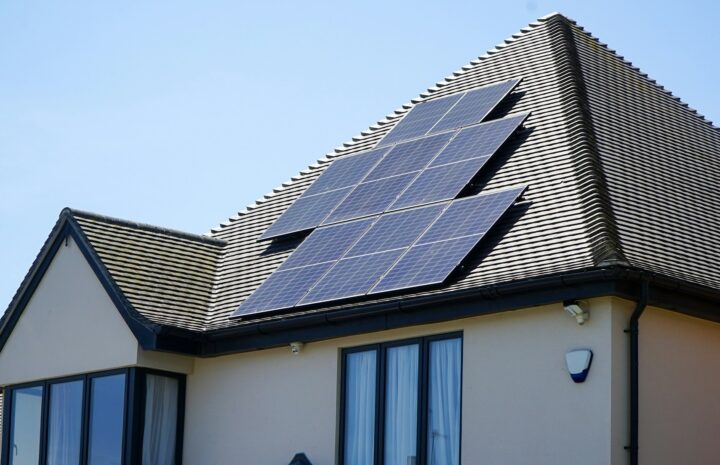
Modern home construction continues to evolve as homeowners place greater importance on energy efficiency, sustainability, and long-term operating costs. Builders are no longer focusing only on attractive layouts and durable materials. Energy performance has become an essential part of residential design. Among the many technologies shaping new homes, solar energy stands out as one of the most significant.
Working with a trusted solar company during the planning stage can help homeowners choose a system that complements their home’s design and long-term energy goals. Residential solar systems allow homeowners to generate electricity from sunlight while reducing dependence on traditional energy sources. As construction methods continue advancing, solar technology is becoming a standard consideration during the planning stage rather than an afterthought. Understanding why solar energy is becoming a key feature in modern home construction helps explain how homes are adapting to future energy needs.
Supporting Energy-Efficient Home Design
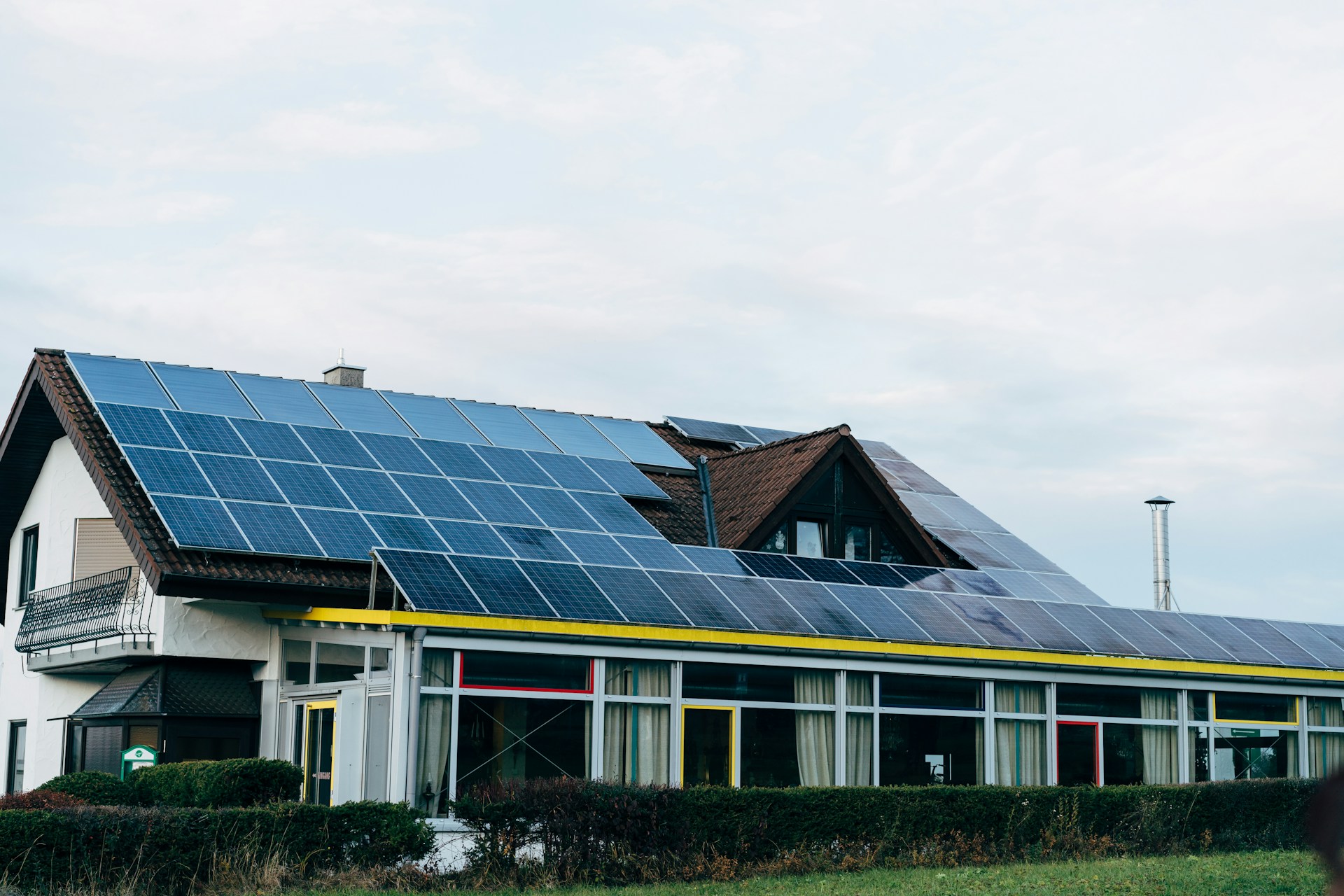
Energy efficiency is one of the primary goals in modern residential construction. Builders carefully select insulation, windows, roofing materials, and heating systems to reduce unnecessary energy consumption. Solar energy complements these improvements by providing a renewable source of electricity for the home. Rather than relying entirely on the local power grid, homeowners can produce part of their own energy throughout the day. Combining energy-efficient construction with solar technology creates homes that consume less purchased electricity while maintaining comfortable indoor living conditions. This integrated approach supports stronger overall building performance.
Reducing Long-Term Household Expenses
Many homeowners consider operating costs before purchasing or building a home. Monthly utility bills remain an important part of long-term household budgeting. Solar energy helps reduce electricity expenses by allowing homeowners to generate power on-site. Although installation requires an initial investment, many households experience lower dependence on purchased electricity over time. Future utility price increases may also have less impact because part of the home’s energy demand is supplied through solar generation. For many families, lower long-term operating costs make solar energy an attractive addition during the construction process.
Increasing Residential Property Appeal
Homebuyers are becoming more interested in properties that offer practical long-term benefits. Features that improve efficiency often receive greater attention during purchasing decisions. Solar energy systems contribute to this growing interest by providing an additional advantage beyond traditional home features. Buyers increasingly recognize the value of renewable energy as part of modern residential living. Homes equipped with solar technology may attract greater interest because they combine energy efficiency with reduced operating costs. As awareness of renewable energy continues growing, solar-equipped homes are becoming increasingly desirable in many housing markets.
Supporting Environmental Responsibility
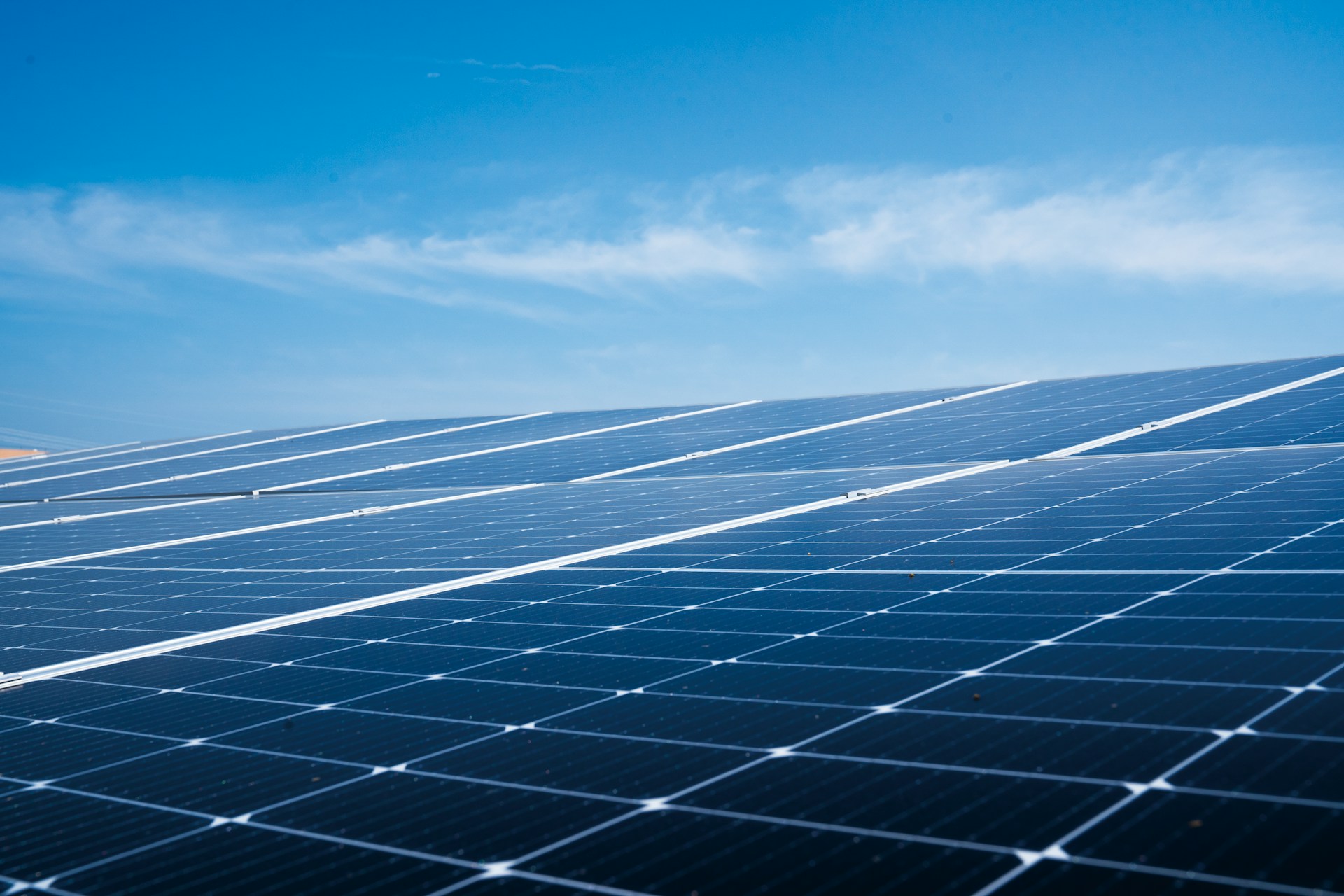
Environmental awareness continues influencing how homes are designed and constructed. Many homeowners want properties that reduce their environmental impact while maintaining everyday comfort. Solar energy generates electricity without producing direct emissions during normal operation. By using sunlight instead of relying entirely on conventional electricity generation, households contribute to lower overall greenhouse gas emissions. Modern home construction increasingly incorporates sustainable building practices, and solar technology fits naturally within this broader objective. Renewable energy allows homeowners to support environmental goals without making major changes to daily routines.
Preparing for Future Technology
Residential energy needs continue changing as homes become more connected and technology-driven. Electric vehicles, smart home devices, home offices, and advanced appliances all increase electricity demand. Installing solar energy during construction helps prepare homes for these future requirements. Builders can design electrical systems, roof layouts, and equipment spaces with future expansion in mind. Planning for solar integration early often simplifies installation compared with adding the system after construction is complete. Homes designed with future energy technologies in mind remain more adaptable as household needs continue evolving over time.
Improving Long-Term Energy Independence
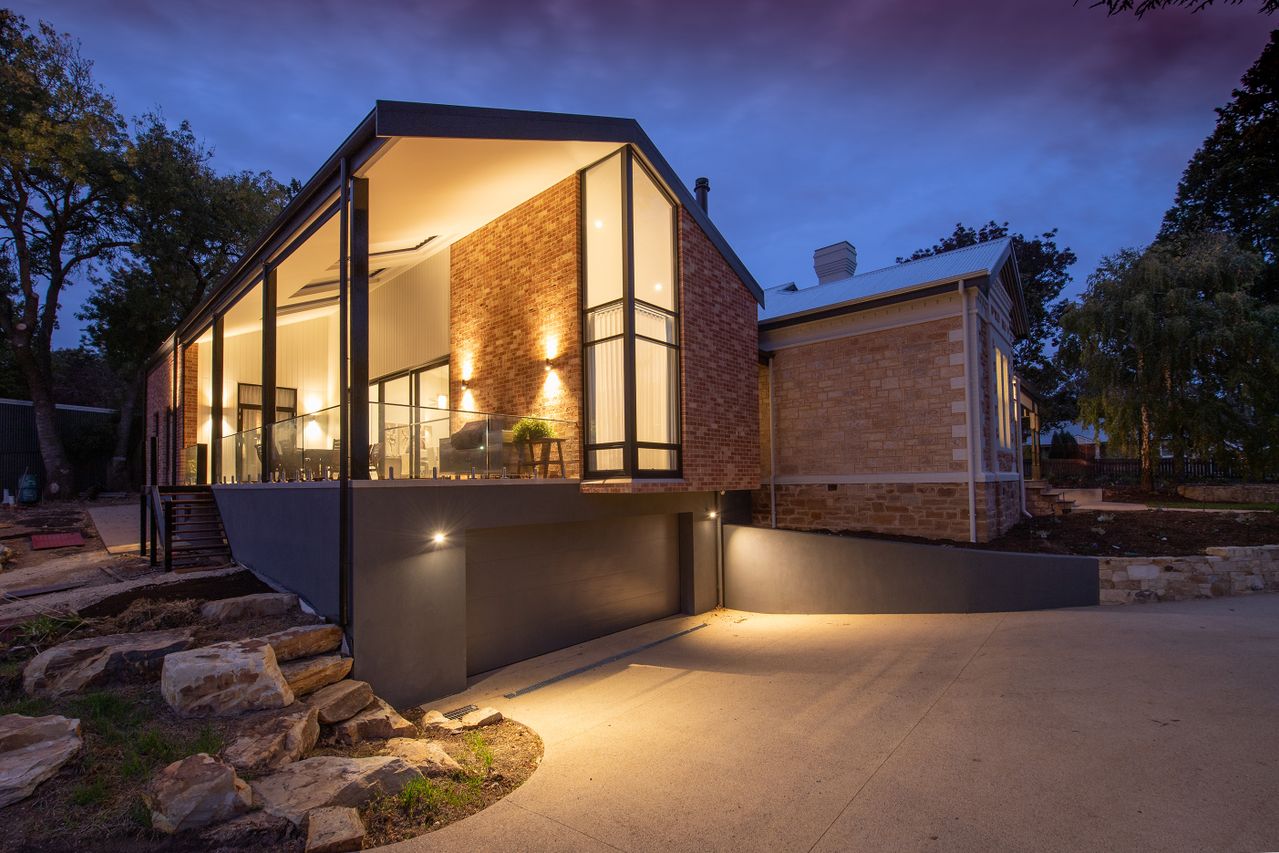
Many homeowners seek greater control over how their homes are powered. Solar energy supports this objective by reducing reliance on external electricity suppliers. When combined with battery storage, solar systems allow households to store excess electricity for later use. This increases flexibility while improving resilience during certain power interruptions. Even homes that remain connected to the electrical grid benefit from producing part of their own electricity. Greater energy independence provides homeowners with additional confidence as energy markets and utility costs continue changing. Long-term planning has become an important part of modern residential construction, and solar energy plays a significant role in supporting that goal.
Solar energy is becoming an essential feature in modern home construction because it supports energy-efficient design, reduces long-term household expenses, increases residential property appeal, promotes environmental responsibility, prepares homes for future technologies, and strengthens long-term energy independence. Rather than being viewed as an optional upgrade, solar systems are increasingly considered an important component of well-designed homes. Understanding why solar energy is becoming a key feature in modern home construction highlights the growing importance of renewable energy within residential development. As technology advances and homeowners continue prioritizing efficiency and sustainability, solar energy will remain an important part of building homes that are better prepared for the future.